



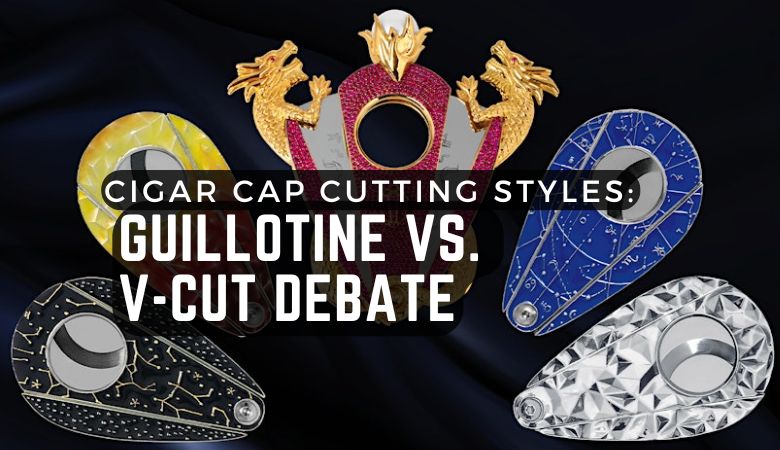
Ever mangled a cigar's cap and ended up with a mouth full of tobacco? Been there. My first attempt at a V-cut was a disaster. I hacked too deep and it unraveled like a bad sweater. Cutting a cigar right is like getting a perfect haircut; it sets the stage for everything. This cigar cutting styles guide dives into the guillotine vs. V-cut debate, plus other cuts like punch, shuriken, pull-off, and bite. Whether you're a newbie or a lounge regular, let's figure out how to cut a cigar for the smoothest puff. Ready to slice like a pro?
Why Cutting a Cigar Matters
A good cut opens the cigar's cap just enough for smooth airflow without wrecking the wrapper. A bad cut? It's like putting a hole in your favorite tire, messy and frustrating. The cap keeps the cigar together, so the right cut ensures a clean draw and even burn. I learned this when I over-cut a pricey Padron; it fell apart faster than my poker face at a card game. Want to light up right after cutting? Check our How to Light a Cigar guide for tips.
Types of Cigar Cuts
There are six main cigar cutting styles: guillotine, V-cut, punch, shuriken, pull-off, and bite. Each has its vibe, like choosing between a sports car and a pickup truck. Here's the rundown.
Guillotine Cut: The Classic Choice
The guillotine slices straight across the cap, opening a wide draw. It's the most common cut, like jeans and a T-shirt, for cigar cutting. I use it for most cigars, especially Robustos, because it's foolproof. Well, almost, I once clipped too much and got a loose draw.
- How It Works: Double or single blade cuts a flat cap, usually 1/8 inch off.
- Pros: Easy, works on most cigars, and has great airflow.
- Cons: Over-cutting can unravel the wrapper.
- Best For: Arturo Fuente Hemingway Robusto (5" x 50, box of 25), creamy and smooth.
V-Cut: The Fancy Flair
The V-cut carves a wedge-shaped notch in the cap, focusing the smoke for intense flavor. It's like sipping espresso instead of drip coffee. My first V-cut on a Tatuaje was a revelation, spicy and rich, but it's tricky on small cigars.
- How It Works: A V-shaped blade removes a wedge, about 1/4 inch deep.
- Pros: Concentrated flavor, clean look.
- Cons: Can clog if cut too shallow, not ideal for thin cigars.
- Best For: Viaje Zombie Toro (6" x 50, box of 25), bold and peppery.
Punch Cut: The Precision Pick
The punch cut bores a small hole in the cap, like a keyhole. It's great for tight draws but finicky. I once punched a Churchill and got no smoke at all. Some swear by it, but I find it hit-or-miss.
- How It Works: A circular blade punches a hole, 1/8 to 1/4 inch.
- Pros: Minimal wrapper damage, good for travel.
- Cons: Can restrict airflow, not for Figurados.
- Best For: Davidoff Aniversario No. 3 (6" x 50, box of 20), nutty and mild.
Shuriken Cut: The Wild Card
The shuriken cut, a newer style, uses a multi-pronged blade to make small slits. It's like a ninja star for your cigar, quirky and rare. I tried it at a lounge and loved the unique draw, but it's not for every cigar.
- How It Works: Slits the cap in a star pattern, creating multiple airways.
- Pros: Unique, great for thick cigars, minimal debris.
- Cons: Rare cutters, not widely available.
- Best For: Aganorsa Leaf Supreme Toro (6" x 54, box of 10), spicy and earthy.
Pull-Off (Cuban Method): The No-Tool Save
The original Cuban method. Use a thumbnail or a small flathead screwdriver to score the cap at the seam, then peel it off in one piece. No cutter, no problem. The downside: it takes practice, and a clumsy peel takes the wrapper with it.
- How It Works: Score gently around the seam where the cap meets the rest of the cigar, then peel the cap off in one piece.
- Pros: No tool needed, preserves a lot of the cap structure when done right.
- Cons: Sloppy attempts unravel the wrapper. Slower than any tool method.
- Best For: A pinch when you forgot your cutter and the cigar is built solidly enough to take some prying. I've pulled off a Padron 1964 Maduro cap with a thumbnail at a backyard fire and it smoked fine.
Bite Cut: The Last Resort
The bite is what you do when nothing else is available. Front teeth on the cap, bite straight down, spit out the piece. It works. It is also sloppy, wet, and a great way to make people in a lounge stare at you. Saliva on the cap accelerates tunneling, so the smoke runs hotter and shorter than a clean cut would give you.
- How It Works: Press the cap firmly between your front teeth, bite straight down through the cap (don't tear), spit the piece out.
- Pros: Always available. Works in an emergency.
- Cons: Saliva on the cap. Uneven cut. Not socially acceptable in a lounge.
- Best For: Stuck on a road trip with no cutter, no thumbnail, and a cigar in your shirt pocket. That's the only situation that justifies it.
Guillotine vs. V-Cut: The Great Debate
So, guillotine or V-cut? It's like choosing between pizza and tacos, both awesome but different. The Guillotine is versatile, great for beginners, and opens up airflow for a relaxed draw. V-cut is for flavor chasers, concentrating the smoke but requiring precision. I lean toward the guillotine for its simplicity, but a V-cut on a bold cigar like a La Flor Dominicana is magic. Some say V-cuts ruin wrappers, but I've had great luck with practice. Which cut makes your cigar sing? Try both and decide.
How to Cut a Cigar Like a Pro
Cutting is an art, and mistakes happen. Here's how to nail it:
- Choose the Right Cutter: A sharp guillotine or quality V-cut tool is key. I got a cheap cutter once, it mangled my cigar like a lawnmower.
- Cut at the Cap Line: Aim for 1/8 to 1/4 inch above the shoulder (where the cap curves). Too deep, and it unravels; too shallow, and it clogs.
- Check the Draw: Test the cigar after cutting. If it's tight, adjust or recut.
- Avoid Common Mistakes: Don't use dull blades or cut Figurados with a punch. Our Cigar Storage Guide keeps your cigars cut-ready.
Want premium cigars to practice your cuts? Browse CigarFinder.com for top picks like those in our Boutique Cigar Brands.

