



Quick answer: A torpedo is a cigar with a sharply tapered head, typically 6 x 52, smoking 65 to 80 minutes. A belicoso is shorter, 5 to 5.5 inches, with a rounder taper. Both concentrate smoke at the cap, intensifying flavor over parejos. Top picks: Padron 1964 Belicoso, My Father Le Bijou 1922 Torpedo Box Press, and Cuban Montecristo No. 2.
We started smoking torpedoes for the wrong reason. The tapered head looked sophisticated. It took three or four years before we learned the actual reason the shape exists. The taper concentrates smoke at the cap, which means more flavor per puff hits your tongue. That is a construction decision, not a styling one. Once that registered, the torpedo became the format we reach for when we want maximum flavor concentration. Most premium shops carry a torpedo or belicoso version of every major line. The shape rewards smokers who appreciate intensified flavor delivery.
This guide covers the torpedo and belicoso formats, how they differ, why the tapered head matters, and the top picks across price tiers.
What Is a Torpedo Cigar?
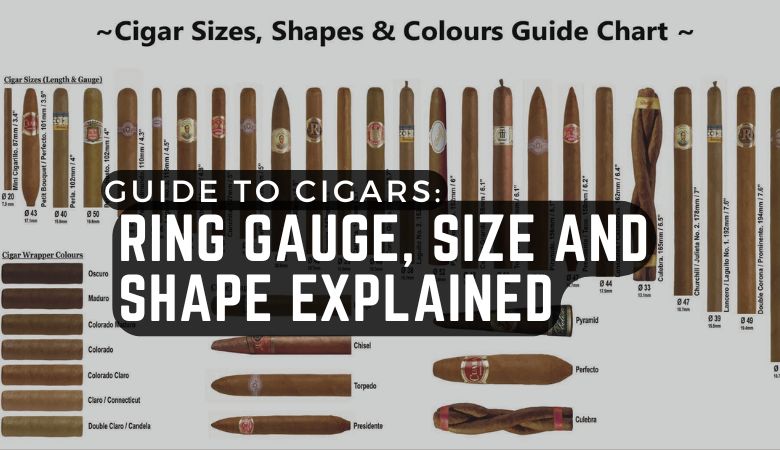
A torpedo is a cigar with a sharply tapered, pointed head. Most modern torpedoes run 6 to 6.5 inches with a 52 to 54 ring gauge and smoke for 65 to 80 minutes. Strictly speaking, Cigar Aficionado's glossary reserves the word for a rare classic shape with a closed foot, a pointed head, and a bulge in the middle. Nearly every cigar sold as a torpedo today is technically a piramide: a pointed head widening along straight sides to an open foot. The industry kept the looser name anyway, so in the US market, torpedo works as the umbrella term for pointed-head cigars. All of them are figurados, the shaped family that also includes the belicoso, the perfecto, and the diadema. Everything straight-sided is a parejo. The tapered head concentrates smoke before it reaches your tongue, and Padron, My Father, La Aroma de Cuba, and Romeo y Julieta all produce reference versions.
For the broader sizing context, the vitola explained guide and the cigar sizes guide cover every standard vitola.
What Is a Belicoso Cigar?
A belicoso is the shortest of the tapered shapes. Standard dimensions run 5 to 5.5 inches with a 50 to 52 ring gauge, and the sides stay straight until a short, rounded taper at the head. Where a torpedo stretches its point across the final inch and a half, a belicoso rounds off quickly. Smoke time runs 50 to 65 minutes.
The belicoso is to the torpedo what the robusto is to the toro: the same idea in a shorter format. Both concentrate smoke at the cap, and the belicoso's rounded head gives you a little more margin when cutting.
In practice, producers treat the two names loosely. Romeo y Julieta's 1875 Belicoso measures 6.1 x 54, torpedo territory by any definition, and Drew Estate's Liga Privada No. 9 Belicoso stretches to 6 inches, while the classic Cuban belicoso, Bolivar Belicosos Finos, holds the traditional 5.5 x 52. Treat the label as a hint, not a spec sheet.
Why Does the Tapered Head Matter?
The tapered head changes the smoke experience in three ways.
Flavor concentration. When you cut a torpedo head, the cut surface is smaller than a parejo cut. Smoke flows through a narrower opening, concentrating it as it reaches your tongue. The flavor feels more intense per puff.
Smoke direction. The tapered head channels smoke onto the front of the tongue first. Enthusiasts often describe this as targeting
the flavor delivery.
Initial draw resistance. Torpedoes often have slightly more draw resistance than parejos because of the tapered head construction. Some smokers love this for the deliberate puffing rhythm; others find it tight.
The net effect: torpedoes feel more flavorful and concentrated than parejos of the same blend. Whether this is better depends on personal preference. Many enthusiasts smoke torpedoes when they want maximum flavor focus.
How Do You Cut a Torpedo?
The tapered head requires careful cutting:
Guillotine cut. Take 2 to 4 millimeters off the tip (about an eighth of an inch), test the draw, and only cut deeper if it feels tight. Over-cutting the taper is how wrappers start unraveling.
V-cut. V-cutters work especially well on torpedoes. The wedge shape complements the tapered head and produces strong flavor concentration.
Punch. Punches are awkward on torpedoes. The tapered head doesn't accept the punch cleanly. Avoid punches for tapered formats.
For the cap-cutting trade-offs in detail, the guillotine vs V-cut debate breaks down both blades.
Top Torpedo and Belicoso Picks
Premium picks ($12 to $25)
Padron 1964 Anniversary Belicoso Maduro (5 x 52). The reference premium belicoso. Box-pressed Nicaraguan maduro: cocoa, espresso, complex pepper. $16 to $22 each. The dedicated Padron 1964 Anniversary line guide covers every vitola.
My Father Le Bijou 1922 Torpedo Box Press (6.1 x 52). All-Nicaraguan, full body, and Cigar Aficionado's 2015 Cigar of the Year at 97 points. Dark chocolate, coffee, black pepper. $12 to $15 each.
Drew Estate Liga Privada No. 9 Belicoso (6 x 52). The No. 9 blend in its tapered format: Connecticut Broadleaf maduro, espresso, dark cocoa, dense smoke. $17 to $20 each.
Value picks ($7 to $14)
La Aroma de Cuba Mi Amor Belicoso (5.5 x 54). Don Pepin Garcia for Ashton. Box-pressed San Andres maduro with a rounded belicoso head. $8 to $11 each. The La Aroma de Cuba complete brand guide covers the full portfolio.
Romeo y Julieta 1875 Belicoso (6.1 x 54). Smooth Cuban-style Dominican wearing a belicoso name on torpedo dimensions. Classic medium-body tapered smoke. $7 to $12 each.
Oliva Serie V Belicoso (5 x 54). Full-body Jalapa ligero under a sun-grown Habano wrapper. Black pepper, leather, dark cocoa. $9 to $13 each.
Cuban benchmarks (illegal to buy in the US)
Cuban Montecristo No. 2 (6.1 x 52). The most famous tapered cigar in the world, and technically a piramide. $20 to $60 abroad depending on the market. The dedicated Montecristo No. 2 guide covers the format in detail, including the US-legal Dominican-made No. 2 versions that run roughly $13 to $22.
Cuban Bolivar Belicosos Finos (5.5 x 52). The classic Cuban belicoso: full body, earth, and cocoa. $20 to $40 abroad.

